King Tides and Flooding: 5 Facts You Need to Know
Florida flooding without a hurricane is an important concern for homeowners, particularly in coastal communities where unusually high tides and heavy rainfall can combine to create challenging conditions.
Recent King Tides and significant rainfall in South Florida, including the Miami area, have brought renewed attention to how flooding can affect homes and neighborhoods even when no named storm is approaching.
For homeowners, these conditions raise important questions. How does water enter a property? What is the difference between tidal flooding and wind-driven rain? And how might those differences affect an insurance claim?
Understanding the source of water damage, the applicable insurance policy, and the documentation needed after a loss can help homeowners make informed decisions.
Here are five important facts Florida homeowners should know about King Tides, flooding, and property insurance claims.
Fact 1: King Tides Can Cause Flooding Without a Hurricane
King Tides are unusually high tides that occur when the gravitational influences of the moon and sun combine to produce higher-than-normal tidal levels.
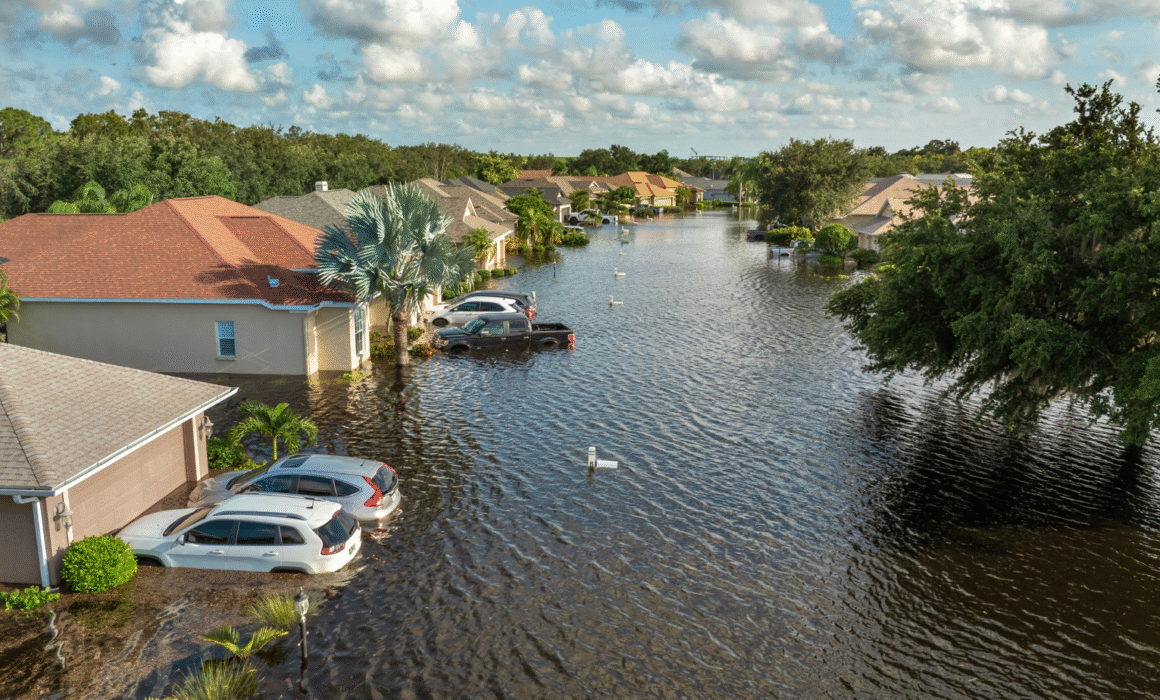
In Florida’s coastal communities, these elevated water levels can contribute to flooding along streets, low-lying properties, and areas near tidal waterways.
When King Tides coincide with heavy rainfall, drainage can become more challenging, potentially allowing water to accumulate in areas that might otherwise drain more quickly.
This combination can affect neighborhoods even when there is no hurricane warning or tropical storm approaching.
Florida flooding without a hurricane is a reminder that homeowners may face water-related property damage outside the circumstances typically associated with major storms.
For homeowners living near coastal waterways or in low-lying communities, understanding these conditions can be an important part of preparing for potential water damage.
Fact 2: Not All Water Damage Has the Same Cause
When homeowners discover water inside their property, identifying how it entered can become an important part of evaluating the damage.
For example, water that accumulates outside a home and enters at ground level may present different insurance coverage questions than rainwater entering through an opening caused by wind-related damage.
Other conditions may include heavy rainfall, drainage problems, tidal water, or multiple sources of water affecting the same property.
The distinction matters because insurance policies may address different causes of water damage differently.
A homeowner may see standing water or damaged flooring without immediately knowing the source of the water.
Rather than making assumptions, homeowners should focus on documenting the conditions they observe.
Understanding the difference between rising water, tidal flooding, and wind-driven rain may be important when an insurance company evaluates a claim.
Fact 3: Homeowners Insurance and Flood Insurance May Provide Different Coverage
One of the most important considerations following Florida flooding without a hurricane is understanding which insurance policies may apply.
Standard homeowners insurance policies commonly contain exclusions for flooding caused by rising surface water or tidal conditions.
Separate flood insurance may provide coverage for certain qualifying flood losses, subject to the policy’s terms, conditions, exclusions, and limits.
However, not every situation involving water damage is necessarily treated the same way.
For example, rain entering a property through an opening caused by wind-related damage may raise different coverage questions than water entering from outside at ground level.
The cause of the damage, the applicable policy language, and the circumstances surrounding the loss are all important considerations.
Homeowners should carefully review their insurance documents and avoid assuming that water damage is automatically covered or automatically excluded.
If questions arise about coverage, obtaining clarification about the policy and the insurer’s evaluation may help homeowners better understand their options.
Fact 4: Proper Documentation Can Be Important to an Insurance Claim
After Florida flooding without a hurricane, homeowners may be focused on removing water, cleaning up damaged areas, and beginning repairs.
While protecting the property from additional damage may be necessary, documenting existing conditions can also be important.
When it is safe to do so, homeowners may want to photograph or record:
- Standing water and visible water lines
- Damaged flooring, walls, ceilings, and personal property
- Areas where water appears to have entered the property
- Roof, window, door, and exterior conditions
- Visible signs of wind-related damage
- Dates and approximate times when damage was first observed
- Damaged materials before they are removed
- The overall condition of affected rooms and surrounding areas
Homeowners should also preserve contractor estimates, inspection reports, invoices, receipts, and communications with their insurance company.
It may be helpful to maintain a written record of when damage was first noticed and what conditions were observed.
Personal safety should always come first. Homeowners should not enter floodwater or unsafe structures solely to obtain documentation.
Accurate records can provide useful information as the cause and extent of damage are evaluated.
Fact 5: Insurance Questions May Continue After the Initial Inspection
An insurance adjuster’s inspection may be an important part of the claims process, but it does not necessarily resolve every question about the property.
Some damage may not be immediately visible. Additional conditions may become apparent during cleanup, demolition, or repairs.
A contractor may also identify repair needs that differ from those included in an initial insurance estimate.
When this happens, homeowners should consider preserving photographs, updated estimates, professional findings, and records showing when additional damage was discovered.
Differences between an insurer’s evaluation and a contractor’s findings do not automatically establish that either assessment is incorrect. However, they may identify questions that require further review.
When Florida flooding without a hurricane involves multiple possible sources of water intrusion, questions about the cause of damage may become particularly important.
Maintaining organized records throughout the process can help homeowners understand what has been evaluated and what questions remain.
Why King Tides Matter for Florida Homeowners
The recent combination of King Tides and heavy rainfall in South Florida highlights an important reality: significant water damage can occur even without a named hurricane.
For Florida homeowners, these events provide an opportunity to better understand their property’s exposure to tidal flooding, review their insurance coverage, and consider how they would document damage if water entered their home.
They also reinforce an important distinction.
Not all water damage has the same cause, and not all insurance policies respond to water-related losses in the same way.
Understanding these differences before a claim becomes complicated may help homeowners make more informed decisions.
How Boggs Law Group Assists Florida Homeowners
At Boggs Law Group, we understand that property insurance disputes can become complicated when questions arise about the cause of water damage, insurance coverage, inspections, and repair estimates.
Our team assists Florida homeowners with property insurance claim disputes involving properties located in Florida, including claims that have been denied, delayed, or undervalued.
We believe homeowners should understand what is happening with their claim and have the information they need to make informed decisions throughout the process.
Understanding Your Options After Flooding Without a Hurricane
Florida flooding without a hurricane is a reminder that significant water damage can occur under a variety of weather and tidal conditions.
Whether damage involves King Tides, heavy rainfall, wind-related conditions, or a combination of factors, the cause of the loss and the applicable insurance policy may be important when evaluating a claim.
Documenting property conditions, preserving records, and reviewing insurance communications can help homeowners stay organized.
If your Florida property insurance claim has been denied, delayed, or undervalued, contact us today for a free consultation to discuss your insurance claim.
Frequently Asked Questions About King Tides and Florida Flooding
Can King Tides cause flooding without a hurricane?
Yes. King Tides are unusually high tidal events that can contribute to coastal flooding without a named storm. Heavy rainfall occurring at the same time may create additional drainage challenges.
Does homeowners insurance cover damage from King Tides?
Coverage depends on the applicable insurance policy and the circumstances of the loss. Standard homeowners policies commonly contain flood exclusions, while separate flood insurance may address certain qualifying losses. Homeowners should review their specific policies.
Is wind-driven rain damage different from tidal flooding?
It can be. Rainwater entering through a storm-damaged building component may raise different insurance coverage questions than rising tidal water entering a property. The cause of damage and policy language matter.
What should homeowners document after King Tide flooding?
When it is safe, homeowners should consider documenting visible water levels, affected rooms, damaged materials, exterior conditions, and areas where water appears to have entered the property. Receipts, estimates, inspection reports, and insurance communications may also be useful.
What if additional damage is discovered after the insurance inspection?
Homeowners may want to document the additional conditions, preserve updated estimates and professional findings, and provide relevant information to their insurer in accordance with applicable policy requirements.
Continue Learning About Florida Insurance Claims
- After Hurricane Flooding: What Homeowners Need to Know – Learn how hurricane-related flooding and other water damage can raise important questions about property insurance claims.
- The Important Next Steps After an Insurance Adjuster Inspection – Understand why documentation and continued claim review can remain important after an initial inspection.
- What Homeowners Should Know About Supplemental Insurance Claims – Learn about situations where additional damage or repair costs may be identified after an insurance claim has been evaluated.
